
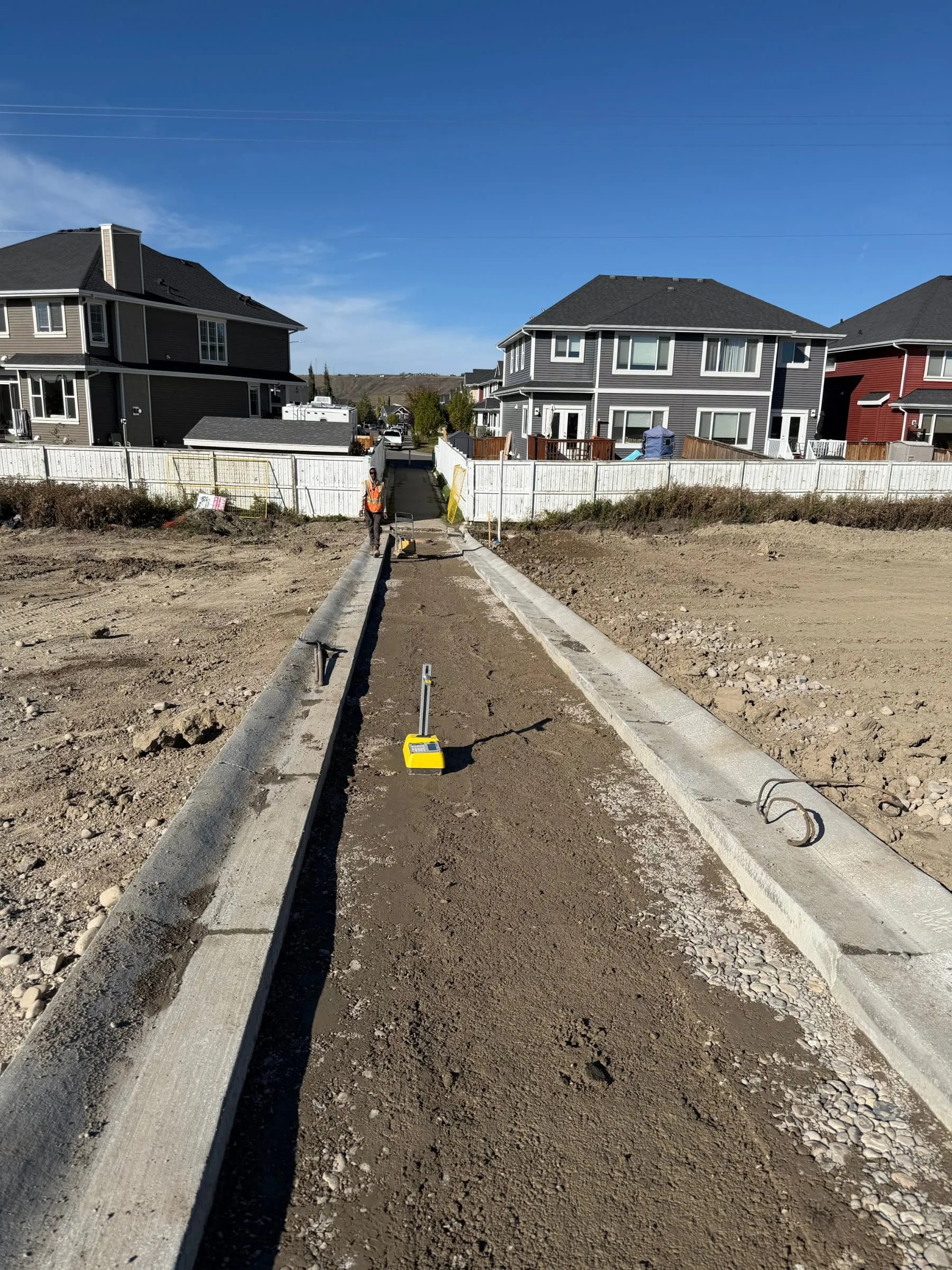
 Completed by Factor
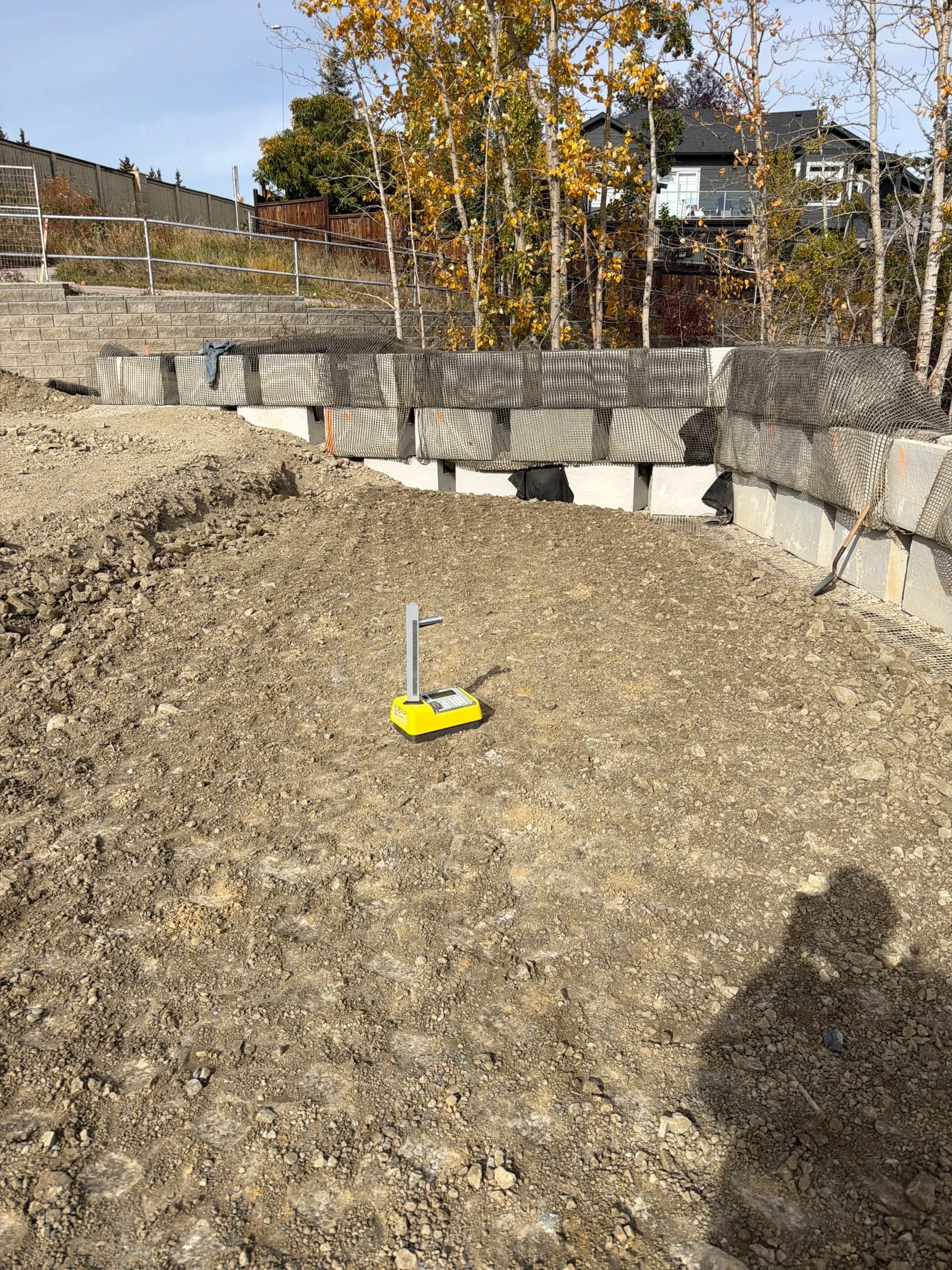 Completed by Factor
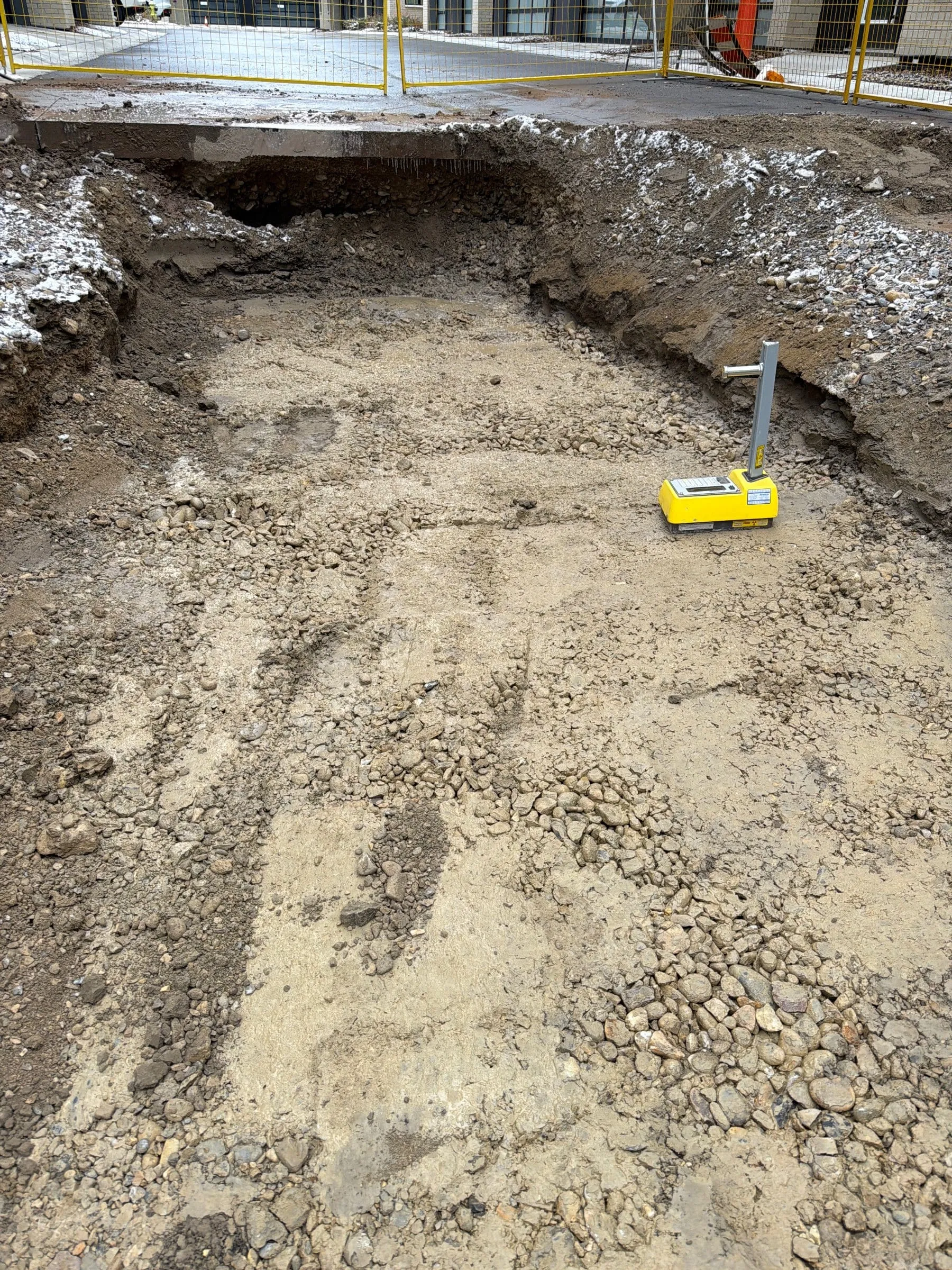 Completed by Factor
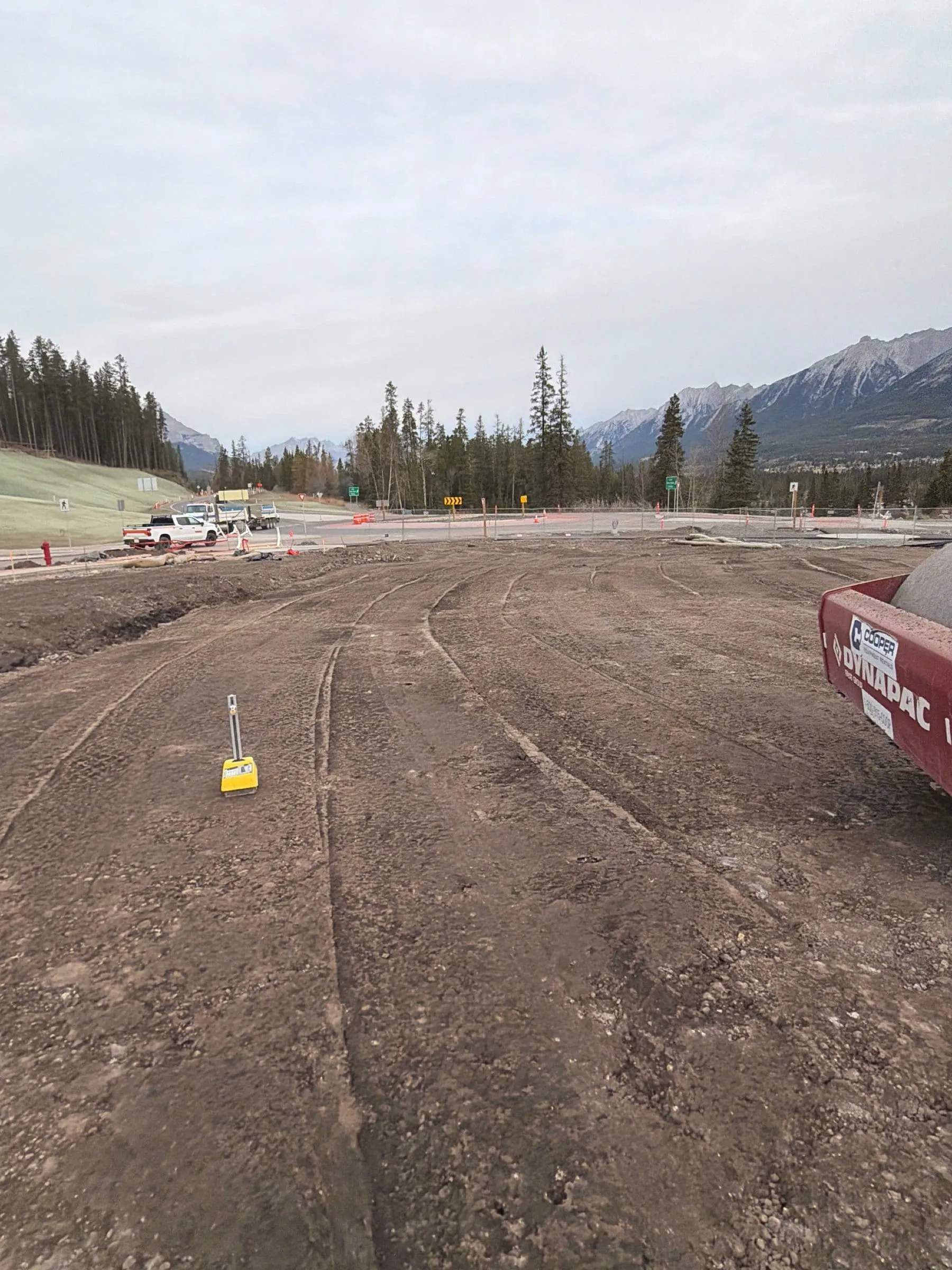 Completed by Factor
Compaction testing confirms that fill, subgrade and granular base layers have been compacted to the density your project specifies, before the next lift or the next stage of construction goes on top.
When you need it
Compaction testing is commonly required for:
- building pads and foundation backfill
- roads, parking lots and driveways
- utility trench backfill
- retaining wall backfill
How it works
Our technicians test compaction in the field with a nuclear density gauge, which measures the density and moisture content of each lift on the spot. The result is compared with the material’s maximum dry density from a Proctor test and reported as a percentage, such as 98% of Standard Proctor Maximum Dry Density. Proctor tests are part of our geotechnical lab testing.
To learn more, read What is 98% compaction?, How to quickly pass compaction testing and How does a nuclear density gauge work?